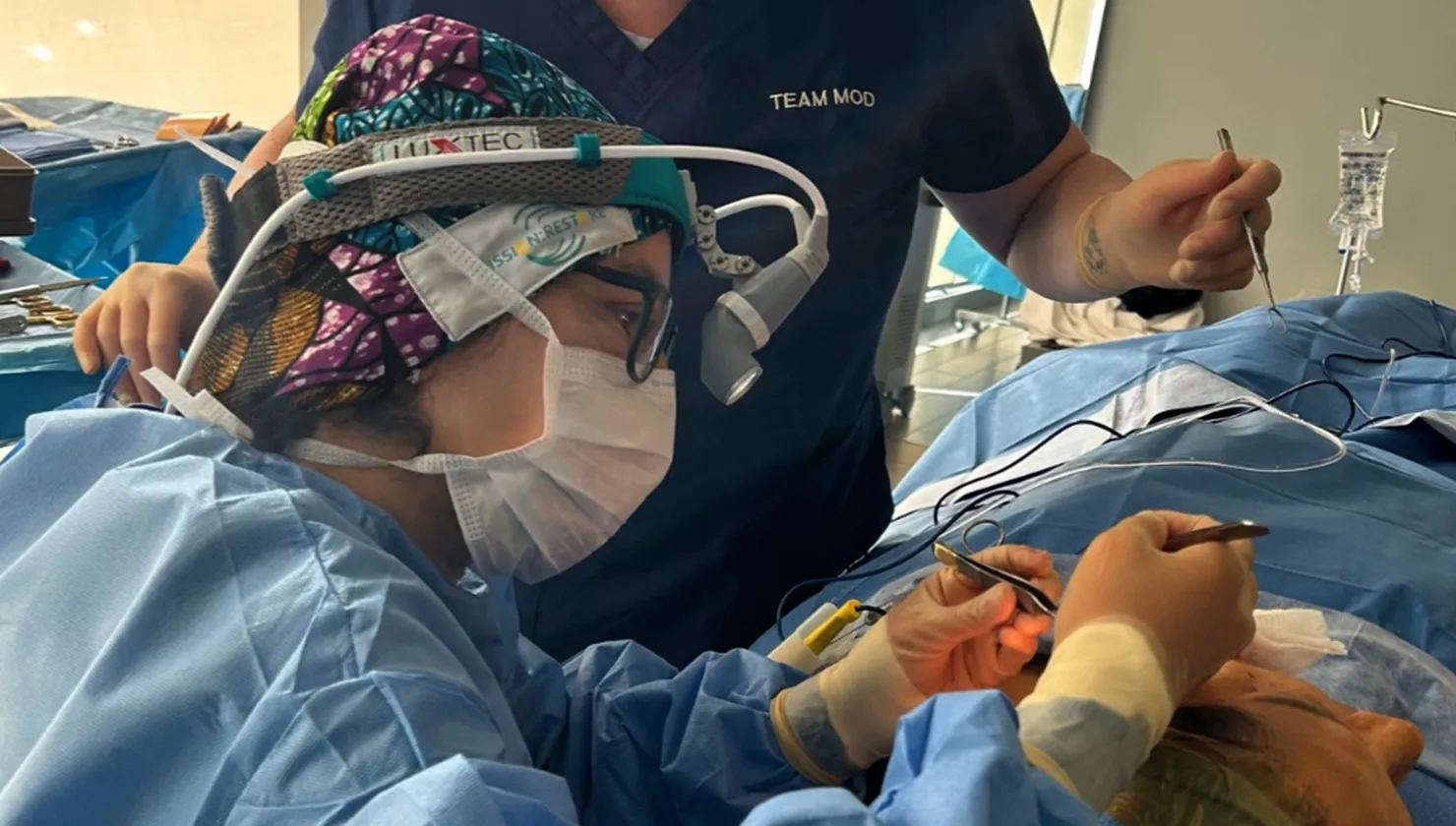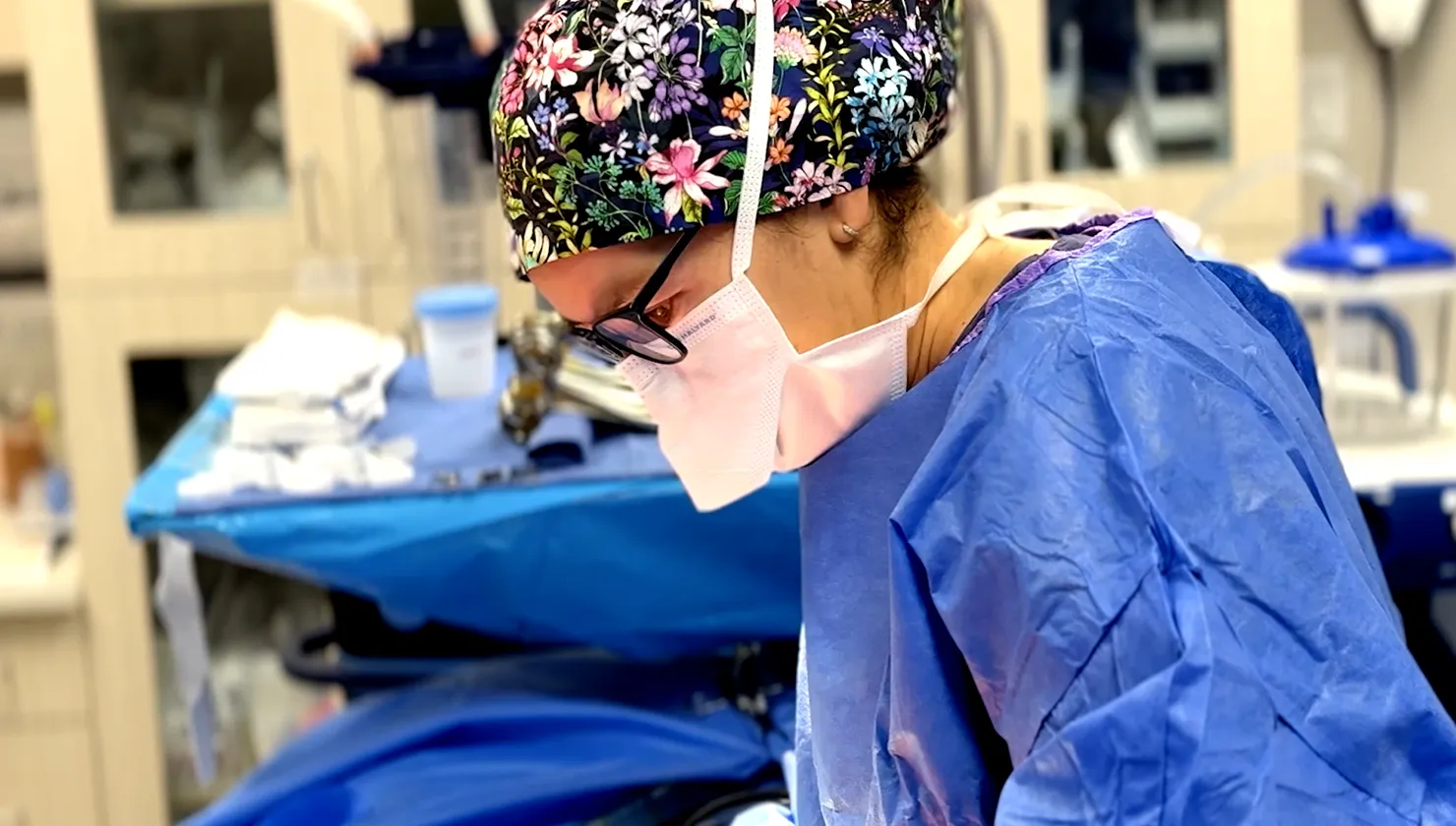
True eyelid rejuvenation goes beyond trimming skin. Dr. Aycock explores how evaluating brow position, muscle tone, and micro-fat grafting during an eyelid lift creates natural, refreshed results without a hollow or “surprised” look.
-
About "The Surgeon’s Eye" Series:
Written by board-certified plastic surgeon Dr. Joyce Aycock, The Surgeon’s Eye series moves beyond basic procedure overviews to explore the complex surgical mechanics, anatomical precision, and textbook techniques behind natural, long-lasting results.
Patients frequently step into a consultation asking for a single, isolated procedure: “I just need an upper eyelid lift” or “I want to get rid of my under-eye bags.” However, the eyes are surrounded by one of the most intricate, variable anatomical zones on the human body.
A cookie-cutter approach to blepharoplasty that simply cuts away skin or aggressively scoops out orbital fat often leaves patients looking hollow, tired, or perpetually surprised five years down the road. Achieving a refreshed, natural result requires evaluating the periocular region as a unified whole.
1. The Clinical Philosophy: Whole-Face Analysis Over Simple Eyelid Skin Tightening
The primary goal in an upper or lower eyelid lift is not simply “tightening skin”—it is restoring youthful balance across all structural layers of the face.
Periorbital aging is rarely caused by a single issue. A patient’s tired appearance might stem from a combination of surface skin laxity, subtle brow ptosis (drooping), loss of structural fat, weakening of the upper lid levator muscle, or deflation in the midface and cheek.
My philosophy centers on educating patients on what their anatomy actually requires rather than defaulting to a basic skin trim. By addressing the root structural causes of aging during a blepharoplasty, we preserve natural facial expression and long-term harmony.
2. Planning & Anatomy: Evaluating Blepharoplasty Candidates from Surface to Skeleton
When assessing a patient for an eyelid lift or brow procedure, I analyze five distinct anatomical layers before making a single mark:
- Skin Quality & Laxity: We assess skin elasticity and excess on both upper and lower lids. Crucially, we determine whether “excess” upper lid skin is true redundant tissue or skin being pushed downward by a descending brow or deflated cheek.
- Muscle & Lid Function: We evaluate the levator muscle (which lifts the upper lid) to check for ptosis, and test lower lid muscle tone to see if structural resuspension—such as a canthopexy or canthoplasty—is needed to prevent lower lid sagging.
- Fat Dynamics (Volume vs. Removal): Rather than blindly removing fat during blepharoplasty, we analyze whether orbital fat should be preserved, repositioned across the tear trough, or augmented using micro-fat grafting to restore lost youthful volume.
- Skeletal Foundation & Vectors: The orbital rim and cheekbone structure provide the underlying scaffold for the lower lid. Identifying a negative skeletal vector (where the eye sits prominent to a flat cheekbone) allows us to protect the lower lid from malposition post-surgery.
- Facial Harmony: We examine how the brow, lids, and cheek meet to ensure any adjustment supports the overall balance of the face.
3. Choice of Blepharoplasty Technique: Volume, Tension & Micro-Fat Restoration
Because anatomical variations are so vast, surgical techniques for an eyelid lift must be strictly tailored:
- In-Office Upper Eyelid Lift: For patients with isolated skin excess and strong underlying muscle tone, a targeted skin-only upper blepharoplasty under local anesthesia offers exceptional results with minimal downtime.
- Comprehensive Multi-Planar Eyelid & Brow Lift: When brow drooping, hollow temples, or cheek deflation contribute to periorbital aging, combining blepharoplasty with a brow lift and micro- and nano-fat grafting yields a far more youthful, soft result than skin removal alone.
- Transconjunctival vs. Open Lower Blepharoplasty: For lower lid bags, an internal (transconjunctival) approach allows us to reposition or smooth fat without external skin incisions when skin elasticity remains strong.
| Technique | Primary Focus | Best Candidate |
|---|---|---|
| Upper Eyelid Lift (Blepharoplasty) | Direct removal of redundant lid skin and/or bulging medial fat | Patients with healthy brow position but upper lid hooded skin |
| Blepharoplasty + Fat Grafting | Restoring lost volume to the orbital rim, tear trough, and brow | Patients with hollowing, dark circles, or a "sunken" eye appearance |
| Lower Lid Resuspension | Canthopexy/Canthoplasty to reinforce lower lid edge tone | Patients with lower lid laxity or a predisposed negative skeletal vector |
4. Intra-Operative Nuance: Millimeter Precision & Hidden Eyelid Incisions
Surgical execution around the delicate eye zone requires meticulous soft-tissue handling and fine instrument controls:
- Seated Caliper Marking: Markings are made while the patient is seated upright prior to surgery, allowing them to participate with a mirror. Using surgical calipers, measurements are taken down to the exact millimeter to ensure flawless symmetry.
- Crow’s Feet Concealment: If upper eyelid skin extends beyond the lateral orbital rim, the incision is extended slightly into the natural, lateral smile creases (crow’s feet). A slightly longer, perfectly hidden incision within a natural crease is far superior to leaving heavy, hooded skin drooping over the side of the eye.
- Micro-Surgical Technique: In the operating room, we utilize ultra-fine micro-instruments and low-voltage needle cautery to protect delicate blood vessels.
- Invisible Suturing: Lower lid incisions are closed with delicate dissolvable sutures, while upper lids receive a continuous, buried subcuticular stitch to completely eliminate visible stitch marks or “railroad” scars.
5. Recovery & Longevity: Functional Integrity & Eye Comfort After an Eyelid Lift
Protecting the eye’s delicate blood supply, sensation, and essential blink reflex is paramount during any eyelid lift.
While bruising and mild swelling are normal due to the high density of tiny blood vessels surrounding the eye, post-operative pain is typically minimal and easily managed with over-the-counter medication, cold therapy, and head elevation.
Because temporary post-surgical dryness can occur, moisturizing eye drops are utilized during early blepharoplasty recovery. More importantly, precise pre-operative planning and conservative skin resection prevent over-tightening—ensuring your eyelids close effortlessly and comfortably for decades to come.
6. The Surgeon’s Note
While every patient’s periocular anatomy is entirely unique, viewing real transformation results can help you visualize what is possible for your own eyes. You can explore a selection of surgical outcomes in our online Eyelid Lift Before & After Gallery, or review our complete clinical portfolio during your private, in-office consultation.
Take the Next Step
If you are noticing heavy eyelids, hooded skin, or under-eye hollowing, a personalized anatomical assessment can help determine the ideal combination of volume and structure for your eyes. Schedule your private consultation with Dr. Aycock to discuss your tailored treatment plan.
Explore More from The Surgeon’s Eye Series
- Previous Entry: The Surgeon’s Eye: Labiaplasty — Beyond the Wedge & Clitoral Hood Contouring
- Related Guide: The Science of Nano Fat Grafting: Beyond Volume to Regeneration
- Browse All Masterclass Posts Visit The Surgeon’s Eye Series Hub →