Struggling with a persistent “pooch” or weakened core after pregnancy? This post decodes diastasis recti, explaining its causes and why traditional exercises often fall short. Discover effective treatments, including surgical options, to help you reclaim a firm, flat stomach.
Diastasis recti is a common yet often misunderstood condition that affects a significant number of individuals, most notably women after pregnancy. Characterized by a visible bulge in the abdomen and a weakened core, this separation of abdominal muscles impacts not only physical appearance but also overall well-being and core function.
While it’s prevalent, many people struggle to find effective solutions through traditional diet and exercise alone. Fortunately, there are advanced treatments available that can restore abdominal strength and provide a flatter, more toned midsection. Here, we’ll explore what diastasis recti truly is, its underlying causes, the symptoms to watch for, and the comprehensive treatment options available.
What is Diastasis Recti?
Diastasis recti, often referred to as “diastasis rectus abdominis” or simply “DR,” is the widening or separation of the rectus abdominis muscles, commonly known as the “six-pack” muscles. These two parallel bands of muscle run vertically down the front of your abdomen, from your ribs to your pubic bone. They are connected by a strong band of connective tissue called the linea alba.
When the linea alba stretches and thins, the rectus abdominis muscles pull apart, creating a gap in the midline of the abdomen. This separation leads to a characteristic bulging or “pooch” that can persist even in individuals who are otherwise at a healthy weight.
Beyond Aesthetics: Common Symptoms
While the visible abdominal protrusion is the most recognized symptom, diastasis recti can also lead to other issues:
Weakened Core: A compromised core can affect stability and strength for everyday activities.
Lower Back Pain: Without proper core support, the lower back can bear increased strain.
Poor Posture: A weakened core can contribute to slouching or an anterior pelvic tilt.
Pelvic Floor Dysfunction: In some cases, it can be associated with pelvic floor issues like incontinence.
Constipation: Reduced abdominal support can sometimes affect bowel function.
“Mummy Tummy” or “Pooch”: The most common aesthetic sign, a soft bulge that may get worse when straining or contracting abdominal muscles.
What Causes Diastasis Recti?
The primary cause of diastasis recti is increased intra-abdominal pressure that puts excessive strain on the linea alba.
Pregnancy: This is the most common cause. As the uterus expands rapidly during pregnancy, it stretches the abdominal muscles and the linea alba to make room for the growing baby. Hormonal changes during pregnancy also soften connective tissues, making them more susceptible to stretching.
Rapid Weight Fluctuations: Significant and rapid weight gain or loss, particularly in the abdominal area, can stretch the connective tissue. This can affect both men and women.
Improper Abdominal Exercises: Certain exercises, if performed incorrectly or too aggressively (e.g., crunches or sit-ups that cause bulging), can put undue strain on the rectus abdominis and worsen separation.
Genetics: Individual variations in connective tissue strength can play a role.
Multiple Pregnancies: Women who have had multiple pregnancies are at a higher risk due to repeated stretching.
Other Factors: Conditions that cause chronic abdominal pressure, such as obesity or heavy lifting techniques, can also contribute.
Non-Surgical Management (and Their Limitations)
While diet and traditional abdominal exercises cannot repair separated abdominal muscles, some non-surgical approaches can help manage symptoms or prepare the core for potential surgical intervention.
Specialized Physical Therapy: A physical therapist experienced in postpartum recovery or core rehabilitation can teach specific exercises designed to engage the deep core muscles (transversus abdominis) without straining the linea alba. These exercises focus on strengthening the core from the inside out and improving functional support.
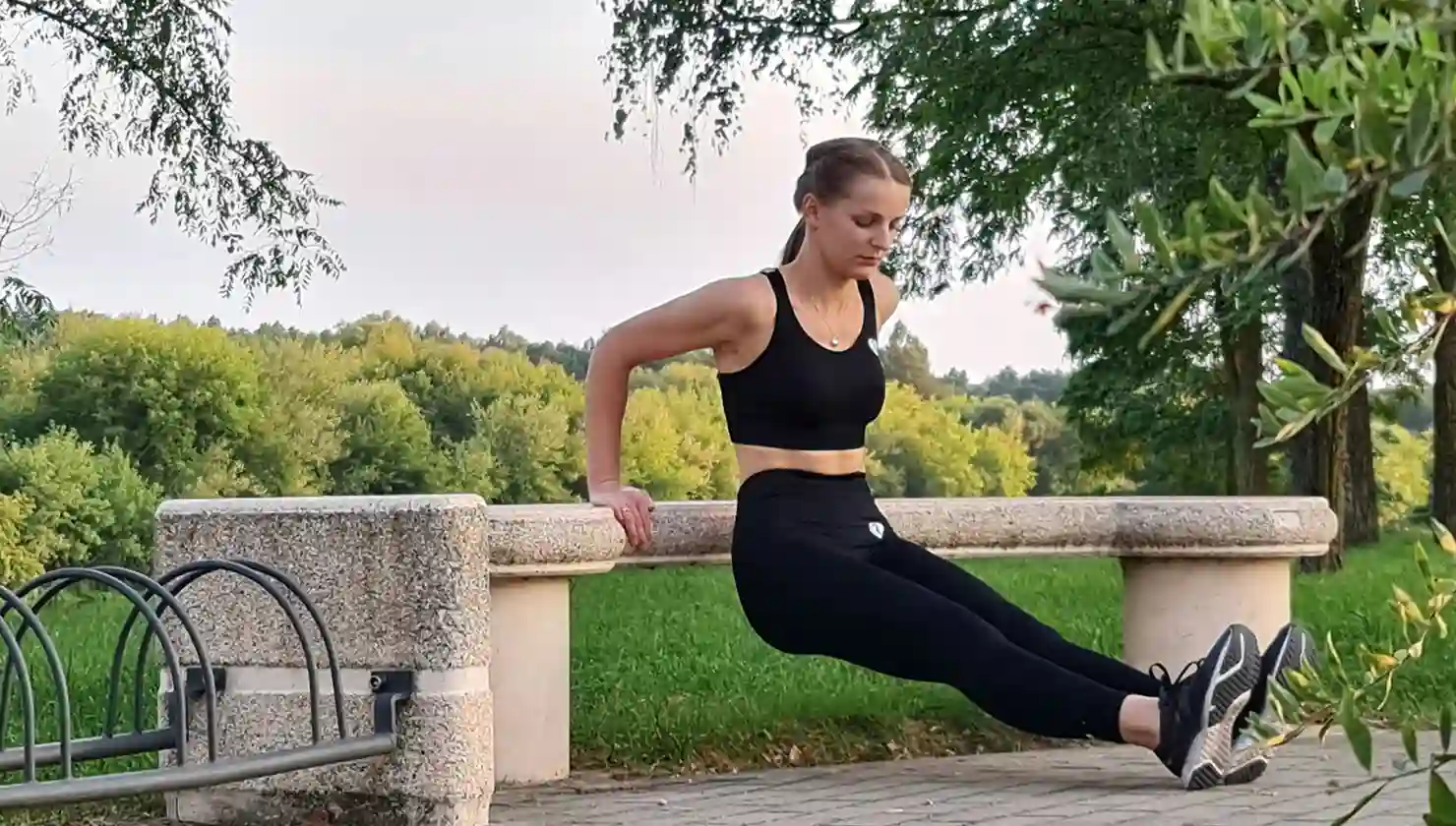
Core-Strengthening Exercises: Avoid exercises that cause your abdomen to bulge, such as traditional crunches, sit-ups, or planks performed incorrectly. Instead, focus on exercises like pelvic tilts, modified planks, and breathing exercises that activate the deep core.
Abdominal Binders or Wraps: These can provide temporary support and comfort, especially in the early postpartum period, but they do not actively repair the muscle separation.
It’s crucial to understand that while these methods can improve core strength and reduce some symptoms, they typically cannot close the actual muscle gap or address excess skin that results from the stretching. For a complete and lasting repair, surgical intervention is often necessary.
Comprehensive Surgical Treatment Options
For individuals with persistent diastasis recti and associated concerns, surgical procedures are the most effective way to restore abdominal strength, flatten the midsection, and achieve a more confident appearance.
Tummy Tuck Surgery (Abdominoplasty)
A tummy tuck is the gold standard for correcting diastasis recti. This powerful surgical procedure is designed to:
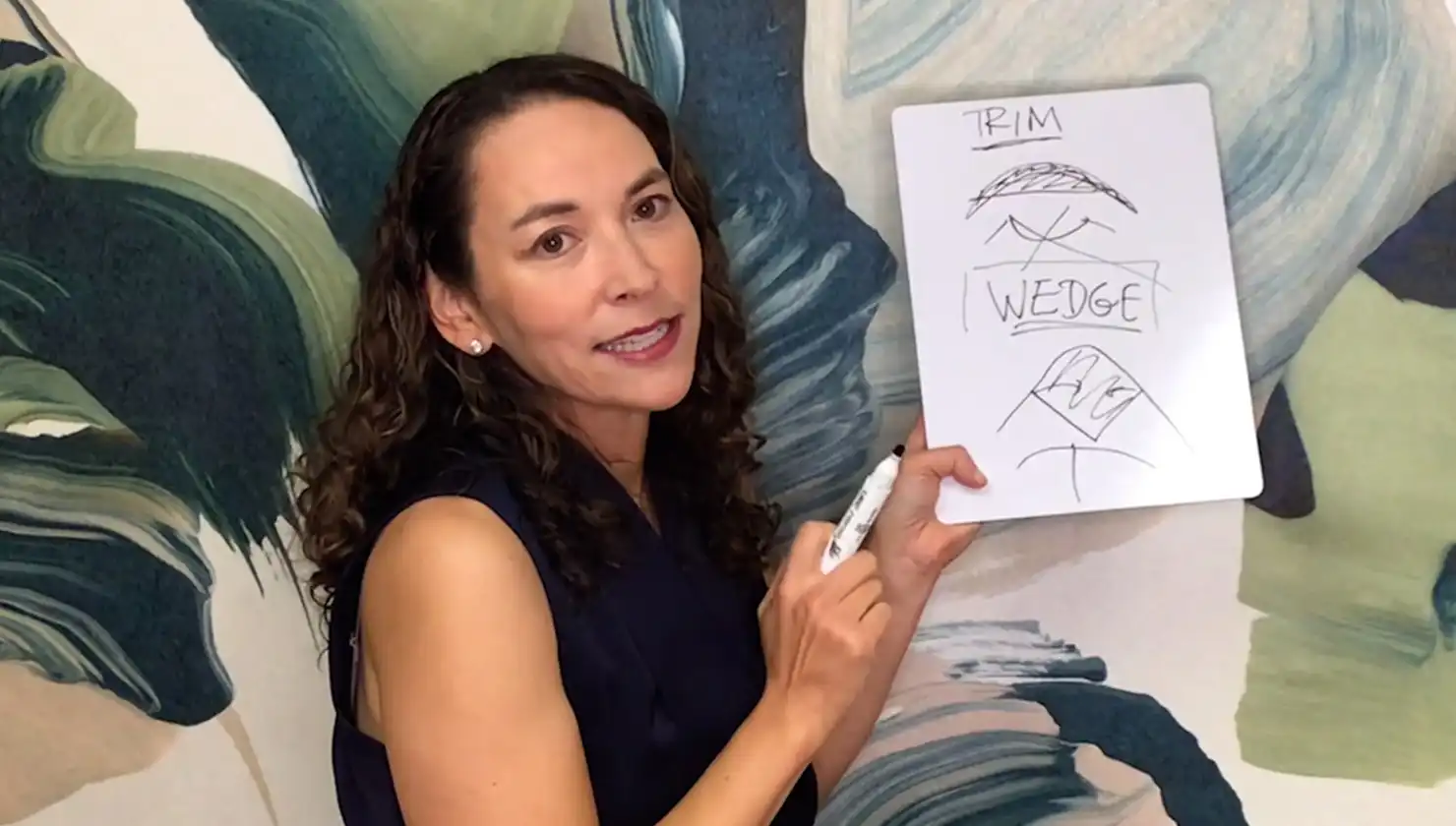
Repair Muscle Separation: The separated rectus abdominis muscles are carefully brought back together and sutured into their proper anatomical position, effectively tightening the abdominal wall. This process is called abdominal muscle plication.
Remove Excess Skin: Loose, sagging skin that often results from pregnancy or significant weight loss is precisely trimmed away.
Eliminate Stubborn Fat: Localized fat deposits in the midsection can also be removed, further contouring the abdomen.
The result is a significantly firmer, flatter, and more toned abdomen, along with a more defined waistline.
Mommy Makeover
A Mommy Makeover is a highly customized combination of procedures specifically designed to address the multiple changes a woman’s body undergoes during pregnancy and breastfeeding. This comprehensive transformation often includes a tummy tuck to repair diastasis recti, alongside other procedures such as:
Liposuction: To remove stubborn fat from areas like the flanks, thighs, or arms.
Breast Augmentation, Lift, or Reduction: To restore breast volume, correct sagging, or achieve a more proportionate size.
Other Body Contouring: Depending on individual needs.
This tailored approach allows for a holistic transformation, addressing all areas of concern in a single surgical plan.
Who is a Candidate for Diastasis Recti Repair?
Ideal candidates for surgical diastasis recti repair typically:
Are in good overall health.
Have finished childbearing (as future pregnancies can re-stretch the repair).
Maintain a stable weight and are close to their ideal body weight.
Have realistic expectations about the outcomes of the surgery.
Are bothered by the physical symptoms or aesthetic concerns of diastasis recti.
Your Path to a Reclaimed Core: Recovery and Beyond
Following surgical repair, recovery involves a period of rest and gradual return to activity, with specific instructions from your surgeon regarding movement and support garments. Most patients can resume light activities within a few days to weeks, with full recovery and final results becoming apparent over several months as swelling subsides. The long-term benefits include a stronger core, reduced back pain, improved posture, and a significantly enhanced body contour.
If you are dealing with diastasis recti, know that you are not alone, and effective solutions are available. This condition can indeed have a significant impact on both your physical and emotional well-being. By considering these advanced treatments, you can take proactive steps toward restoring your abdominal strength and achieving a more confident self-image.
If you are considering a Mommy Makeover or tummy tuck surgery to address diastasis recti, we encourage you to schedule a consultation with our experienced plastic surgeon in Denver, CO, Dr. Joyce Aycock. Learn more about what to expect at your consultation. Together, we can create a personalized treatment plan to help you achieve your aesthetic goals and regain your abdominal contour.